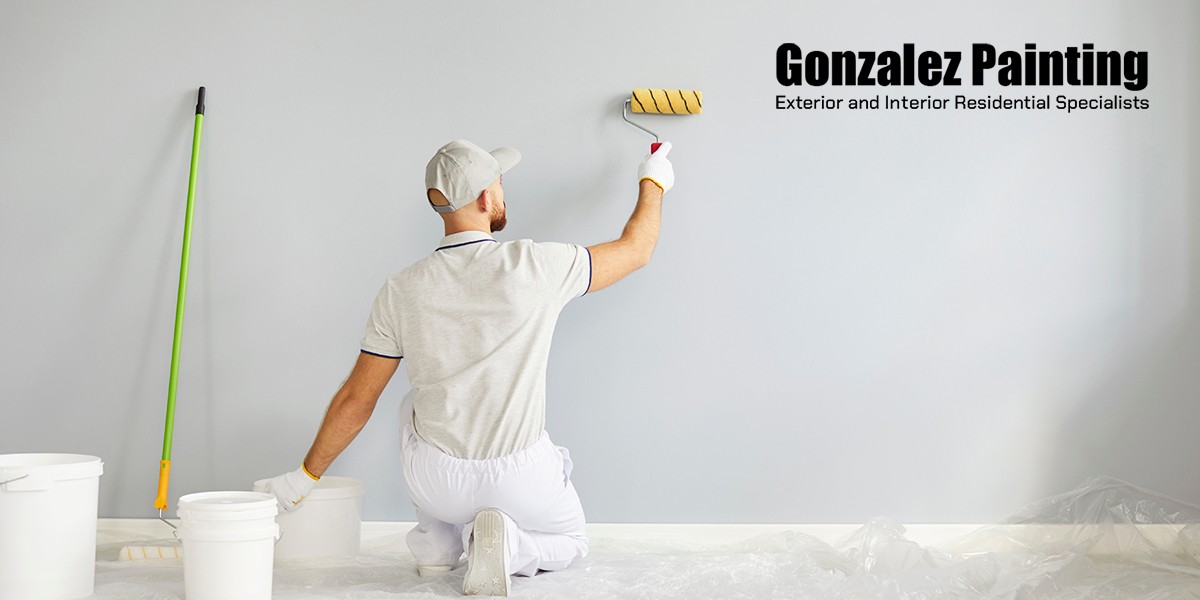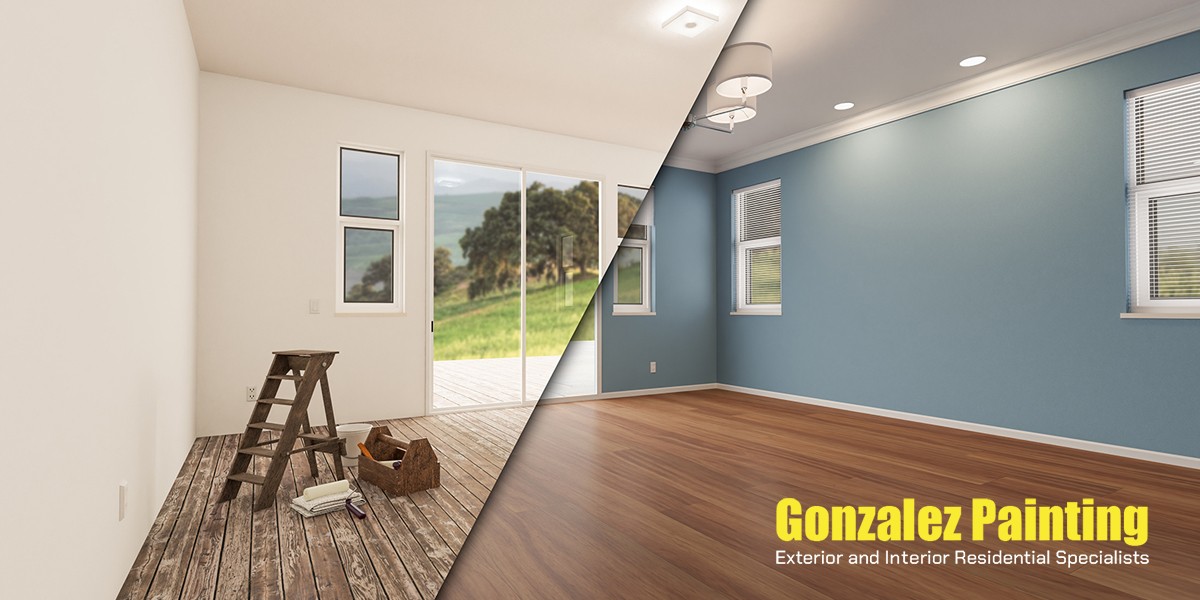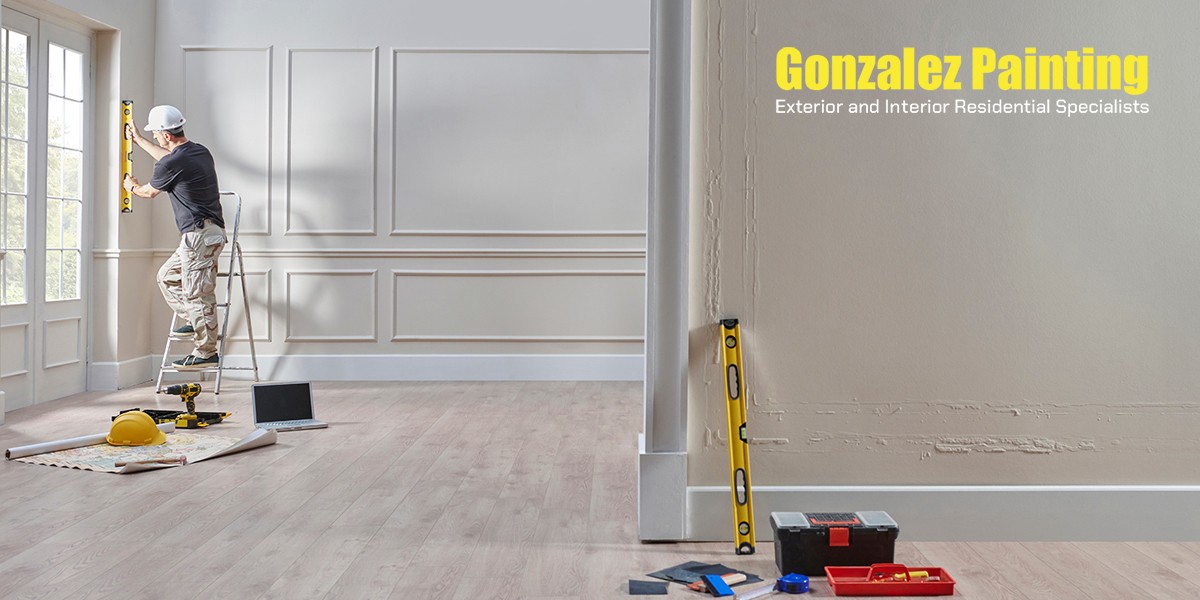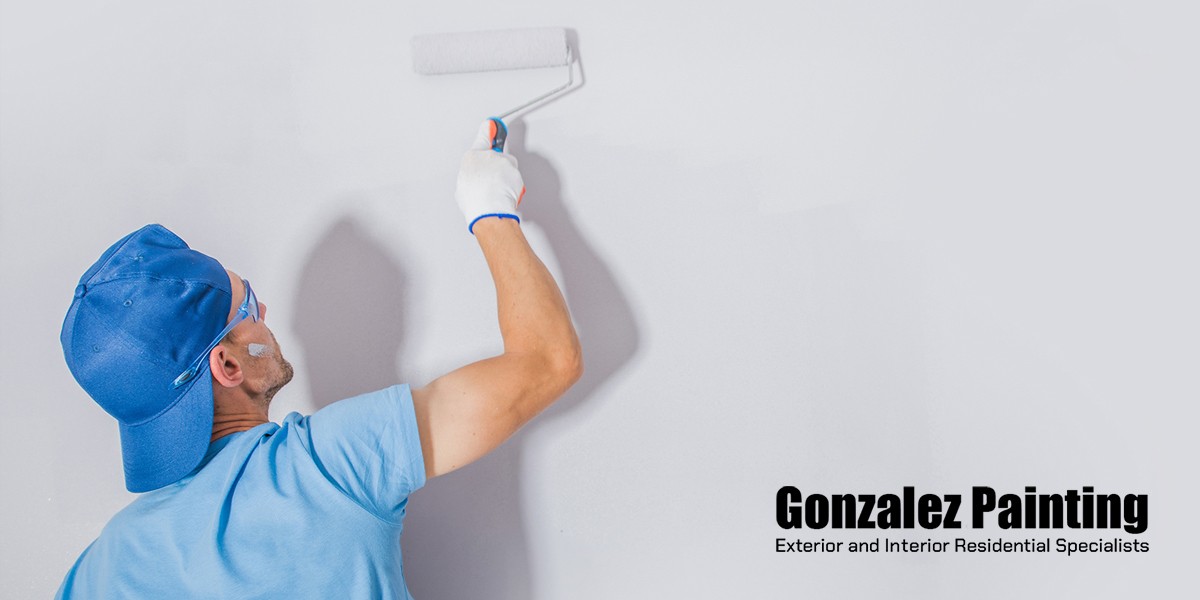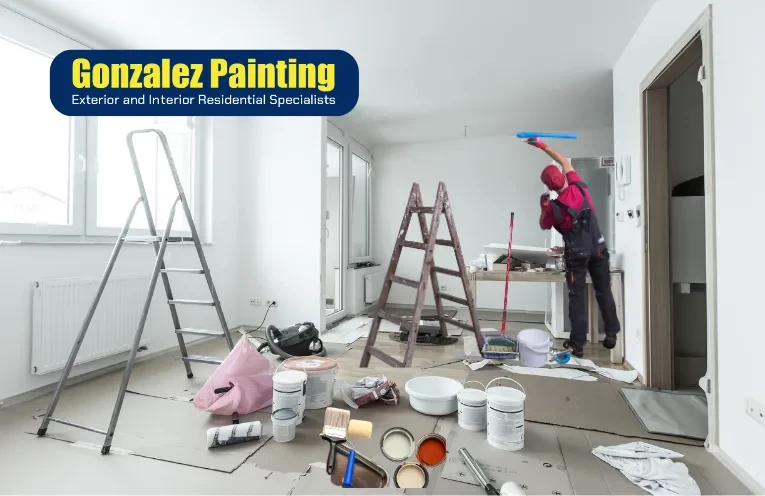
Thinking of painting your home’s interior? A coat of quality paint will totally enhance the look of your home’s interior. It will brighten up your rooms and make them clean. But, you must know the average cost to paint 1,500 sq ft house interior. How much does it cost to paint the interior of a 1,500 sq.ft house?
If you are based in Atlanta, knowing about average costs for painting the home’s interior is very essential. It may vary widely based on materials, labor, and preparation. So, having an idea of total cost will help make informed decisions.
Planning for your home's painting project and understanding all related expenses is key to a successful home improvement.
Introduction to Interior Painting
Interior painting is one of the most effective ways to dramatically transform your home’s interior, giving it a fresh, updated look while also protecting your investment. The interior painting cost for any home can vary widely, depending on several key factors such as the total square footage, the type of paint you choose, and the labor costs involved.
Understanding these key factors is crucial for anyone planning a painting project, as it helps you budget accurately and avoid surprises.
By taking the time to learn about the cost to paint interior of house, you can ensure your project runs smoothly and delivers the results you want.
Cost of Painting a 1,500 Sq Ft House in Atlanta
The cost to paint a house having a 1,500 sq ft size can vary. Square footage is a primary factor in determining the cost, as larger areas require more materials and labor. It is based on different factors. But around $3,000 to $7,500 can be the total price. This will include paint and labor costs.
The final price typically covers all labor, paint costs, and materials needed for the project. Most homeowners in Atlanta spend around $4,500 for a complete paint job. It’s important to request a detailed breakdown from contractors to understand exactly what is included in the estimate.
.jpeg)
The cost is based on the number of rooms you want to paint. Room size and room type, such as bathrooms and kitchens, can significantly affect the cost due to unique requirements and additional preparation. Ceiling height and wall condition, along with paint quality, also affect the cost.
Unique architectural features or design elements in your home's interior, such as vaulted ceilings, decorative trim, or built-in shelving, can also influence the overall budget by increasing labor and material needs.
Labor is the biggest cost factor. It usually makes up about 65% of your total budget. Experts will charge $2 to $6 per square foot (HomeAdvisor). Typical labor rates for painting services can vary depending on job complexity, scope, and property features. It is dependent on the complexity of the painting project.
Interior Painting Cost for Each Space
The table below shows painting costs for different spaces of a 1,500 sq ft house in Atlanta. These costs are based on the square feet of each area, which directly impacts the total price for wall painting and other surfaces:
|
Area |
Average Cost Range |
|
Living Room |
$600–$1,000 |
|
Kitchen |
$400–$700 |
|
Bedrooms |
$300–$800 each |
|
Bathrooms |
$200–$400 each |
|
Hallways & Trim |
$300–$600 |
|
Ceilings |
$250–$500 |
|
Total Estimate |
$3,000–$7,500 |
Wall painting is typically the largest component of interior painting costs. Keep in mind that multiple coats or at least two coats of paint may be required for certain rooms to achieve a durable and uniform finish, which can affect the overall cost.
High traffic areas like hallways may need more durable paint, while ceilings are not considered high traffic areas and generally require less expensive paint.
.jpeg)
Pros and Cons of DIY and Professional Painting
The painting can be a weekend project for a 1,500 sq ft house in Atlanta, or it can be turned over to experts. When considering interior painting cost by home size, homeowners often weigh the benefits of tackling the project themselves versus hiring professionals. It all depends on one’s skill level and available time. In fact, both approaches have clear pros and cons.
DIY Painting Pros
Here are the pros of DIY painting every homeowner should know:
Cost Savings
It saves a lot of money in labor costs. Materials for a 1,500-square-foot home could cost only $1,000 to $1,500 depending on the brand and equipment one uses.
However, DIYers may end up using more paint than professionals due to inexperience, which can reduce overall savings.
Flexible Schedule
You are your own boss when it comes to the schedule. You can spread the project out over a few weekends or paint one room at a time.
Personal Satisfaction
There is a lot of pleasure in doing things yourself. You can take your time, experimenting with colors and methods.
DIY Painting Cons
Below are the cons of painting you need to know before starting your project:
Takes More Time
This can take a homeowner 40-60 hours to paint a 1,500 sq ft home from start to finish. Preparation work, taping, painting, drying, and cleanup take a lot of time. Preparation requirements, such as cleaning and priming surfaces, can significantly increase the time needed for a DIY project.
Inconsistent Results
Without professional tools and experience, smooth coverage is often hard to achieve. The other common problems one faces are uneven coats or streaks.
Additional costs
Add together the cost of brushes, rollers, drop cloths, ladders, and tape. Mistakes almost inevitably mean additional paint or extra touch-ups.
Physical Labor
Painting ceilings and trims is a lot of hard work, especially when working alone.
Pros of Professional Painting
Here are some pros of getting in touch with Gonzalez Painting in Atlanta, GA.
Superior Finish
The professionals at Gonzalez Painting can deliver even, flawless coats and crisp lines. We also know just how to handle the humidity in Atlanta so that the paint doesn't bubble or streak.
Fast Turnaround
Our team of professionals can do this job in a 1,500 sq ft house in three to five days. We save you time and money.
Full Service
Pros do it all. We prepare the walls, prime, tape, cover furniture, and clean up. Professionals also have access to special equipment for hard-to-reach areas or intricate details, ensuring a thorough and efficient job.
Expert Color Guidance
Color combinations can be tricky to choose. Good painters will be able to help you choose tones that maximize natural light and work well with your décor.
Long-Lasting Results
With good materials applied and properly prepared, your walls can look excellent for 5-7 years before their next refresh.
Cons of Professional Painting
Below are a few cons of hiring professional painters:
Higher Upfront Cost
Hiring experts might be expensive in the short run. But the results are long-lasting and reduce early repainting.
Challenges in Scheduling
The painters could be booked up several weeks in advance. If they are in demand, it would be a good idea to plan ahead of time.
Less Control Over Timing
You will be required to adjust your life to the contractor's schedule. But professional services get things done much quicker compared to doing it yourself.
Why hire Gonzalez Painting in Atlanta, GA
You are not just paying for labor; you're investing in experience, precision, and care with Gonzalez Painting. Having painted hundreds of 1,500 sq ft homes in Atlanta, we transform them with clean lines, smooth finishes, and vibrant color.
The local painters understand these conditions and will be using materials that can withstand the humidity and changes in temperature in Georgia. We work on the basis of open communication, prices that are fair, and full customer satisfaction from start to finish.
We take the time to protect your home on every project, from covering furniture and taping edges to thorough cleaning upon completion. The end result is a stress-free experience, with a home you will feel proud of.
Conclusion
Being an owner of the house, one of the cheapest makeovers one can invest in is painting. Adding a fresh coat of paint to a 1,500 sq ft house in Atlanta will result in great beauty and comfort. While the DIY methods of painting save money, hiring professionals will assure quality to last and save your time.
Gonzalez Painting is proud to offer quality work at a reasonable price. Everything from color selection to final clean-up is handled with pride and the utmost attention to detail.
Ready to give your home a fresh new look? Call Gonzalez Painting today at 678-581-5259 and request your free estimate. Let the trusted Atlanta interior painting specialists transform your space with color, precision, and professional craftsmanship.